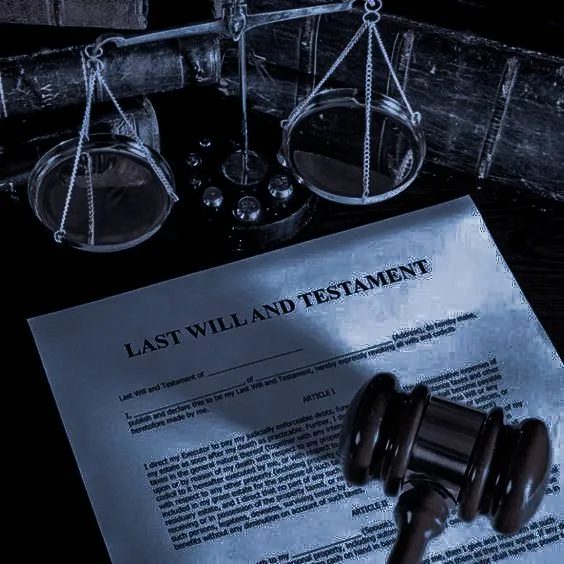
Buying From a Deceased Estate: The Sale That Isn't Final Until It Is
The family is selling the late owner's house and the price is good. But until the estate is properly wound up, that sale can collapse, and your money with it. Here is how to buy safely.
When the registered owner of a property dies, the house does not pass to the family automatically. It becomes part of the deceased estate, which must be administered under the law before anyone can sell it or transfer it. Buying before that process is complete is one of the most common ways purchasers lose money in Zimbabwe.
Who can actually sell?
A deceased estate is administered under the Administration of Estates Act, supervised by the Master of the High Court. The Master appoints an executor, and only the executor, acting with the Master's authority, can deal with the property. The family cannot simply agree among themselves to sell the late owner's house. Without a properly appointed executor, there is no one with the legal power to sell to you.
When a sale is, and is not, allowed
An executor may sell immovable estate property where the will gives an express power of sale, or where the Master of the High Court authorises the sale. Without one of those, the executor generally needs the agreement of the beneficiaries or an order of the court. A sale that skips these steps is not a sale you can rely on, however genuine the family seems.
Five checks before you pay
- Is there an appointed executor? Ask to see the letters of administration or executorship issued by the Master. No executor means no valid sale.
- Does the executor have authority to sell? Confirm either a power of sale in the will or the Master's authority for this specific sale.
- Is the property still in the deceased's name? It usually must pass through the estate before it can be transferred to you. See Your Deed Is Real, But Is It Registered?
- Are the beneficiaries on board? Disputes among heirs can freeze or unwind a sale long after you have paid. See Inherited a Stand With Five Siblings' Names.
- Will transfer go through a conveyancer? Estate transfers carry extra steps. Never pay against a handshake. See The Agent Vanished.
The sale is not final until it is
Ownership only moves when transfer is registered in your name, after the estate has lawfully authorised it. Everything before that is a promise, and a promise from people who may not have the power to keep it. Until the estate is in order and transfer is ready, hold your money. The same principle runs through Cession Is Not Ownership.
More on Title Deeds


How would you like to reach us?
Choose the channel that suits you. WhatsApp is usually fastest.